Colloquium
Time: 11:00am, May 26, 2026
Venue: Lecture Hall, Shanghai Brain Center
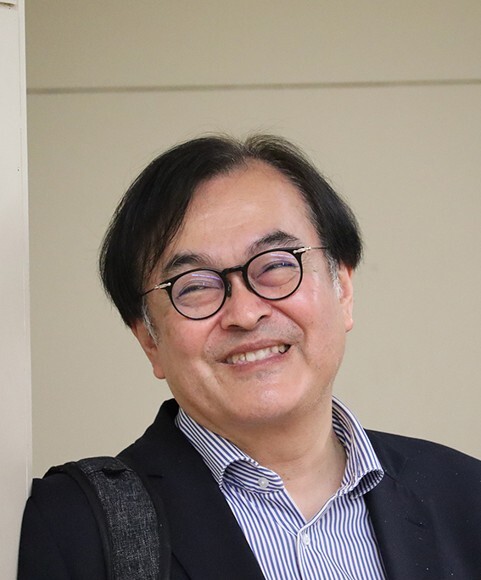
Speaker: Prof. Tadashi Isa
Department of Neuroscience, Graduate School of Medicine, WPI-ASHBi, Kyoto University
National Institute for Physiological Sciences, Japan
Host:Dr. Henry Evrard
Biography:
Tadashi Isa graduated from the Faculty of Medicine, University of Tokyo (UT) in 1985 (MD), and obtained PhD from UT in 1989. He worked as a visiting scientist in the University of Gothenburg in Sweden from 1988 to 1990. He returned to Japan and became an assistant professor in UT. There he had been working on the descending pathways controlling eye, head and forelimb movements in cats. Then, he switched his target to molecular physiology of glutamate receptors in Gunma University in 1993-5. He was appointed to be a professor at the National Institute for Physiological Sciences (NIPS) in 1996. He started the systems neuroscience studies, particularly on the neural mechanism of motor recovery after the spinal cord injury and neural mechanism of blindsight. He moved to Kyoto University in 2015. More recently, he is studying decision making and primate model of neuropsychiatric disorders. Since 2025, he has been appointed as the Director General of NIPS.
Abstract:
What are unique to primates include (1) fine hand motor skill which is often affected by stroke or spinal cord injury, and (2) high level cognition, including flexible decision making, which is often affected in neuropsychiatric disorders. Both of them are difficult to replicate in rodent models. During the past 2-3 decades, our group has been working on the neural mechanisms of recovery of dexterous hand movements after partial spinal cord injury by applying multi-disciplinary approaches including electrophysiology, neuroanatomy, non-invasive brain imaging, pharmacological intervention, and chemo genetic or optogenetic pathway-selective manipulation techniques with viral vectors in macaque monkeys. Using these techniques, we are also extending our research to understanding the neural mechanisms underlying visuomotor systems preserved after damage to the primary visual cortex (blindsight), and flexible decision making based on motivation or risk preference. Furthermore, we are applying our disciplines to understand the neural mechanisms of neuropsychiatric disorder phenotypes created by genome editing in macaques. I will talk about all these studies on nonhuman primates and also on the future perspectives of our studies.